


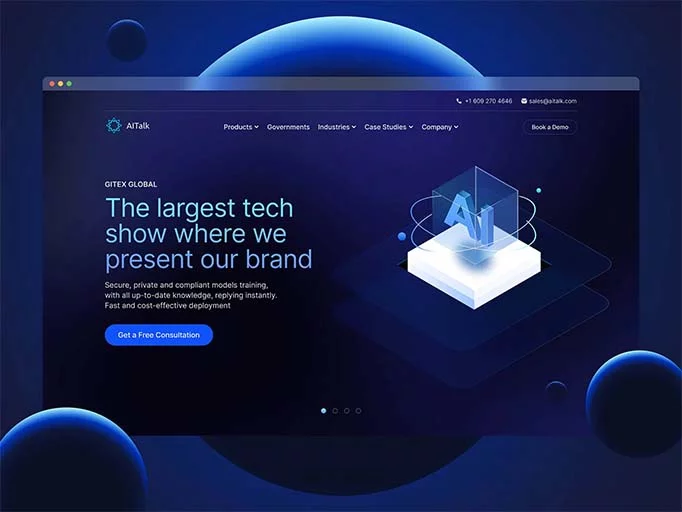




In 2026, artificial intelligence is no longer a buzzword—it’s the core engine driving the digital world. From reshaping search algorithms to personalizing user journeys, AI is transforming how websites function and engage audiences. Future-proofing your site means adapting now to stay competitive, ensuring longevity in an AI-dominated landscape where innovation meets user expectations seamlessly.
Understanding the AI Revolution
Artificial intelligence is fundamentally altering website design, content creation, and user experience in profound ways. AI-powered chatbots, for instance, provide instant, conversational support, reducing bounce rates and boosting engagement. Personalized content recommendations, driven by machine learning, tailor experiences to individual preferences, much like Netflix’s algorithm but applied to e-commerce or blogs. Automated SEO tools analyze vast data sets to optimize keywords and structure, helping sites rank higher amid evolving search engines. These advancements enhance efficiency and accessibility, making websites more intuitive and responsive. As AI integrates deeper, it shifts focus from static pages to dynamic, adaptive platforms that anticipate user needs, ultimately improving retention and conversion rates in a competitive digital ecosystem.
Key Trends Shaping the Future Web
By 2026, several AI trends will redefine websites, demanding proactive adaptation. Hyper-personalization stands out, where AI analyzes user data to deliver bespoke content, layouts, and offers, enhancing satisfaction and loyalty. Voice search optimization is crucial as devices like smart speakers surge, requiring natural language processing for conversational queries. AI-driven content creation tools will automate generation and optimization, ensuring fresh, relevant material at scale. Predictive analytics will forecast user behaviors, enabling preemptive adjustments like targeted pop-ups or inventory alerts. These website trends, backed by reports from institutions like McKinsey and OpenAI, emphasize a shift toward autonomous, context-aware systems that make the web more intelligent and user-centric.
Actionable Steps to Future-Proof Your Website
To thrive in 2026’s AI era, website owners must implement strategic changes. Start by investing in AI tools for analytics, SEO, and content—platforms like Google Analytics with AI enhancements or tools from IBM can provide insights into user patterns. Optimize for mobile and voice search by adopting responsive designs and schema markup that supports natural queries, ensuring compatibility with assistants like Siri or Alexa. Prioritize user experience through faster load times via CDNs, intuitive navigation, and website accessibility features like alt text and keyboard-friendly interfaces. Embrace website personalization by integrating AI engines that segment audiences and customize journeys, potentially increasing conversions by up to 20% as per Deloitte insights. Finally, continuously monitor trends with subscriptions to AI reports and conduct regular audits to adapt swiftly. These steps not only safeguard your site but position it as a leader in innovation.
The Importance of Data Privacy and Security
As AI relies on vast user data, prioritizing data privacy and security is non-negotiable. Comply with regulations like GDPR to build trust and avoid penalties. Implement robust encryption, consent mechanisms, and transparent policies to protect sensitive information, ensuring your AI-driven website remains ethical and resilient against breaches in 2026.

Creative Approach To Every Project
In summary, embracing the AI revolution through trends like hyper-personalization and predictive analytics is key to a future-proof website. Act now on AI tools, optimization, and security to drive adaptation and success. Don’t wait—audit your site today and innovate for tomorrow’s web, securing your digital presence amid rapid change.